
Last Updated: October 25, 2026
Quick Summary
Effective mosquito control for homeowners combines removing standing water where mosquitoes breed, cleaning up yard habitat to eliminate resting spots, and applying barrier treatments on a 3-4 week schedule during warm months. Consistency matters most, a layered approach of source elimination plus residual sprays delivers noticeable results within weeks.
- Mosquito larvae need roughly 7-10 days to become adults, so empty containers twice weekly and drain standing water before it becomes a breeding site.
- Container breeders lay eggs in bottle caps of water; floodwater breeders hatch after rain; permanent-water breeders use ponds, different species require different fixes.
- Mow grass to 2-3 inches, trim shrubs, and clear vegetation within 10 feet of seating areas to remove resting spots and improve airflow.
- Barrier sprays provide residual protection for 3-4 weeks; reapply every 3-4 weeks during mosquito season for consistent yard-wide control.
- Professional services apply treatments correctly, maintain schedules, and adapt to weather, worthwhile if DIY efforts fail or your property is large.
Table of Contents
- Step 1: Identify and Eliminate Standing Water
- Step 2: Recognize Mosquito Breeding Sites Around the Home
- Step 3: Clean Up Your Yard and Modify Habitat
- Step 4: Mosquito Control Without Spraying
- Step 5: Apply Barrier Treatments and Yard Sprays
- Step 6: Understand How Long Mosquito Treatments Last
- When to Call a Professional Mosquito Control Service
- Start Your Mosquito-Free Season
- Frequently Asked Questions
Step 1: Identify and Eliminate Standing Water
Walk your property and check these common collection spots:
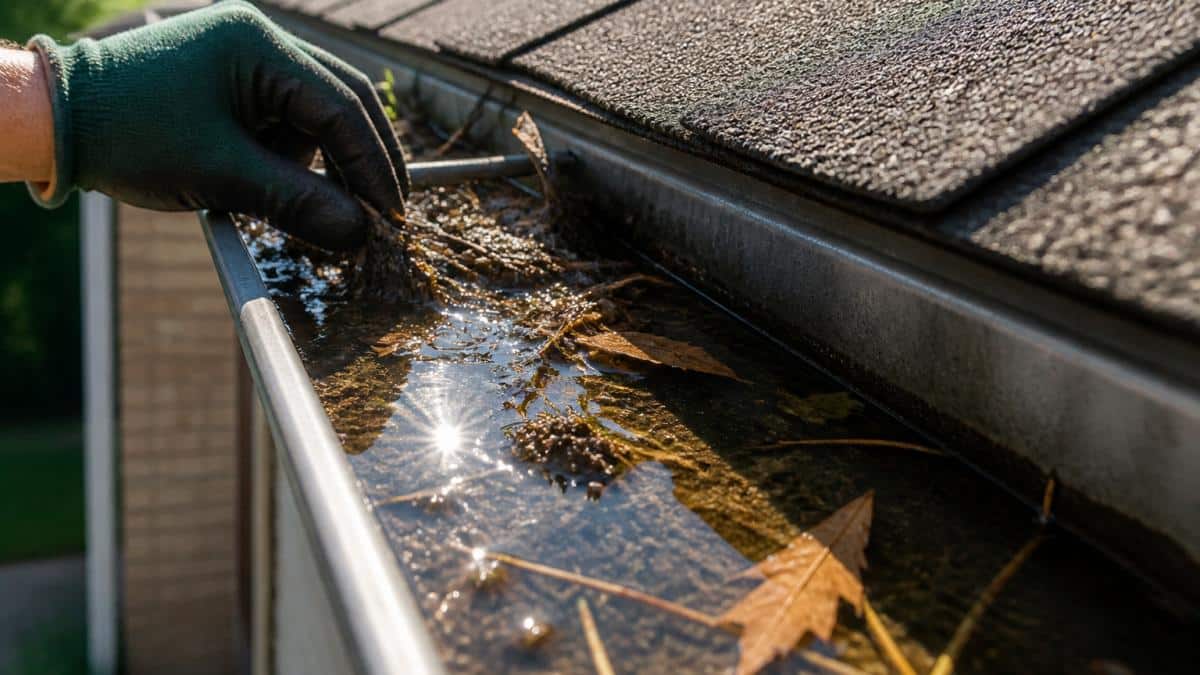
- Clogged gutters and downspouts
- Birdbaths and plant saucers
- Flower pots and planters
Empty containers twice a week, a bottle cap of water is enough to breed mosquitoes.
Clean gutters in spring and fall, and fix downspouts so water drains away from the foundation instead of pooling.
Change birdbath water every two days, or use a fountain or bubbler that keeps water moving so mosquitoes can’t lay eggs.
Grade soil away from the house and fill depressions where rainwater pools, one of the most effective mosquito prevention steps you can take.
Step 2: Recognize Mosquito Breeding Sites Around the Home
Not all water is obvious, and not all mosquitoes use the same breeding sites. Inspect in a fixed order, know which species use which sites, and track findings.
Inspect in a fixed order so nothing gets missed
Work from the house outward and from high to low:
- Roof and gutters. Clogged gutters, roof valleys, and downspout elbows hold water out of sight. Clean them in spring and fall and confirm downspouts discharge away from the foundation.
- Foundation and siding. Check window wells, crawlspace vents, hose bibs, and the drip line where irrigation or condensate lines terminate.
- Containers and equipment. Flower pots and saucers, buckets, wheelbarrows, tarps, kiddie pools, birdbaths, pet bowls, and anything stacked so water can collect between items.
- Ornamental water features. Ponds, fountains, and rain barrels. Keep water moving or treat it; a rain barrel with an open top or a loose screen is a reliable breeder.
- Yard and landscape. Tree holes, hollow logs, leaf litter in low spots, wet mulch, under-deck pooling, and poorly draining turf.
- Outbuildings and equipment. Boats, trailers, tires, and stored equipment that trap rainwater.
Match the site to the species
Different mosquitoes use different sites, so one fix rarely solves the whole problem:
- Container breeders (including the yellow fever mosquito and Asian tiger mosquito) lay eggs in small artificial containers and even in water held by a single leaf or bottle cap. These are the species most often responsible for daytime biting around patios.
- Floodwater breeders lay eggs on damp soil or leaf litter that later floods. Their eggs can survive dry periods and hatch when rain arrives, so a site that looks dry today can produce mosquitoes after the next storm.
- Permanent-water breeders use ponds, ditches, and other standing water that persists.
That difference matters for timing. Container breeders reward weekly emptying; floodwater breeders reward cleaning leaf litter and fixing drainage before rain, not after.
Track what you find so you can measure progress
Keep a log with three columns, date, site, action taken, and walk the same route weekly during warm months, noting which sites held water or larvae, what you emptied, covered, or treated, and how many mosquitoes landed on you.
After two to three weeks, patterns emerge. A recurring site needs a permanent fix, drainage correction, a lid, or a drilled drain hole, not repeated emptying. If bites stay high with no larvae logged, the source may be off your property.
Know when a site is a source versus a nuisance
A birdbath changed every two days isn’t a meaningful source; a loose-lidded rain barrel, clogged gutter, or sagging tarp is. Focus on sites holding water longer than about a week, since larvae need roughly 7-10 days to become adults (the CDC). Drain, cover, or drill what you can; treat the rest with a labeled larvicide.
Photograph each recurring site the first time you find it. Comparing photos week to week is the fastest way to confirm a fix actually worked.
Neighboring properties and shared sources
Some water feeding your yard isn’t on your yard. Shared swales, neglected lots, construction sites, and neighbors’ rain barrels can keep producing mosquitoes no matter how thorough your inspection. Identify the shared source, raise it with the neighbor or property manager, and treat the buffer zone. Community coordination, a block cleanup or a municipal drainage request, often does more than any single yard treatment.
Step 3: Clean Up Your Yard and Modify Habitat
Mosquitoes also need shade, shelter, and humidity.
Modify your yard habitat this way:
- Mow grass regularly to 2-3 inches
- Trim shrubs and trees, especially lower branches
- Remove dead leaves and debris
Good airflow is your friend. Mosquitoes are weak fliers, and even light breezes push them away, so open up your yard.
Vegetation right next to sitting areas is the worst offender.
Drainage matters too: soggy areas stay humid and attract mosquitoes.
Remove water and you remove breeding sites; clean up vegetation and you remove resting spots.
Step 4: Mosquito Control Without Spraying
Not every method requires spraying chemicals. Several natural approaches reduce mosquito activity significantly.
DIY mosquito traps attract mosquitoes with CO2 or other lures, then trap them.
Mosquito dunks control larvae in standing water you can’t drain. They contain a natural bacteria that kills larvae without harming other insects, pets, or people (the EPA).
Fans and air circulation deter mosquitoes naturally.
Citronella candles offer limited protection in small, still-air spaces. Netting over beds, chairs, or tables creates a direct barrier for patio seating areas.
The limitation of non-spray methods is coverage: they work in localized areas, so whole-yard control eventually needs broader strategies.
Step 5: Apply Barrier Treatments and Yard Sprays
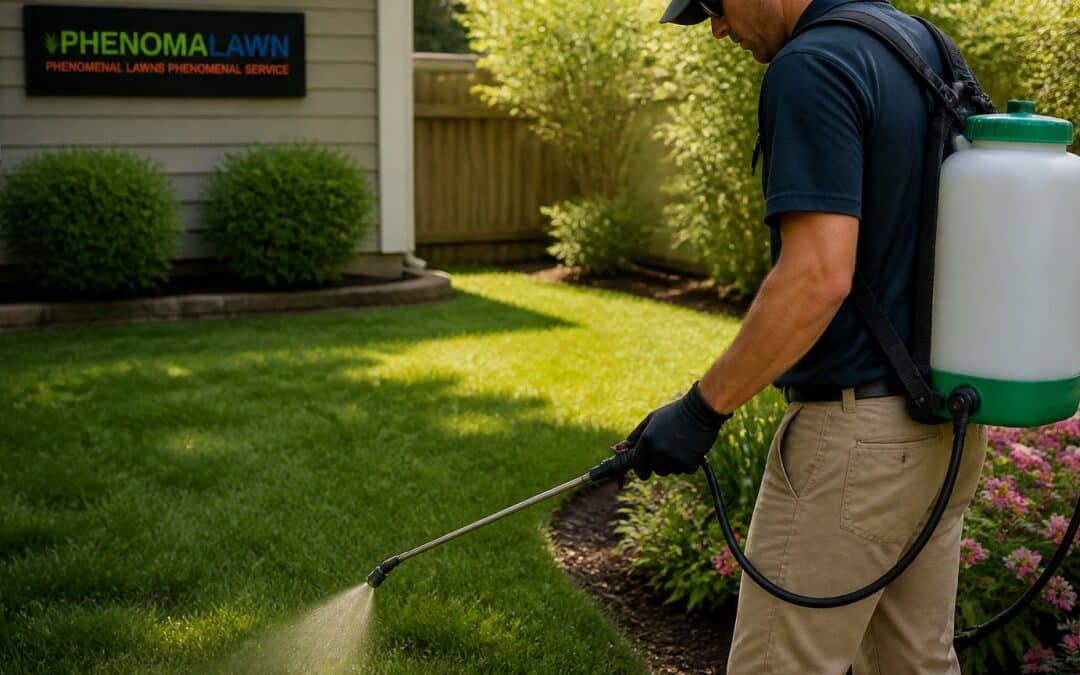
Coverage is key. Spray vegetation, shrubs, tree branches, and grass where mosquitoes rest, not just open lawn.
Reapply regularly. Rain, sunlight, and mowing break down the residue, so reapply every 3-4 weeks during mosquito season for consistent control.
An all-liquid program delivers everything your lawn needs in one application, ensuring consistent coverage and protection without gaps.
Professional services apply treatments correctly and on schedule, knowing how to apply them safely around kids and pets.
Step 6: Understand How Long Mosquito Treatments Last
How long a treatment lasts depends on the method, weather, and application. A single device rarely controls a whole yard, so combine methods.
Realistic duration and coverage by method
- DIY traps (sugar-yeast or CO2): Require weekly maintenance. Replace the mixture every 7 days. They reduce mosquitoes in a localized area near the trap and will not control a whole yard.
- Mosquito dunks and other larvicides: Typically last about 30 days per application in a treated water source. Reapply monthly during warm months. They control larvae only in water you can reach and treat; they do nothing about adults already flying.
- Citronella candles and coils: Provide protection only while burning, and only in still air within a small radius. They are a seating-area supplement, not a yard treatment.
What each method can and cannot do
Traps and candles lower local annoyance but don’t eliminate a population. Larvicides stop new adults from treated water but don’t affect adults already flying. Barrier sprays reduce adult activity for weeks but depend on thorough coverage. The reliable pattern is layered: remove and treat water, reduce resting habitat, apply a residual barrier, and repeat on schedule.
Apply safely and follow the label
The product label is the legal and practical instruction set. Read it before every application, it governs rate, target sites, re-entry interval, and precautions for people, pets, pollinators, and edible plants.
- People and pets: Keep children and pets off treated areas until the label’s re-entry interval has passed. Store products out of reach and never transfer them to unlabeled containers.
- Pollinators: Apply in early morning or late evening when bees and other pollinators are less active, and avoid spraying open blossoms. Never apply to plants in bloom if the label prohibits it.
- Edible gardens: Do not treat vegetables, herbs, or fruit trees unless the label specifically allows it, and observe any pre-harvest interval. When in doubt, keep treatments away from edible plantings.
More product is not better. Over-application wastes money, shortens residual life, and increases risk to pollinators and pets. Mix and apply at the label rate.
Set expectations and measure results
A reasonable expectation for a layered program is a noticeable drop in biting activity around seating areas within a few weeks, not zero mosquitoes.
The key to effective mosquito control for homeowners is consistency. One-time treatments fail because mosquitoes reproduce quickly and new adults emerge constantly; a recurring schedule keeps activity low all season, just as regular mowing keeps grass short.
Different mosquito control methods offer varying levels of protection and require different maintenance schedules.
| Method | Duration | Maintenance | Coverage |
|---|---|---|---|
| DIY traps (sugar-yeast or CO2) | Localized only | Replace mixture every 7 days | Small area near trap |
| Mosquito dunks and larvicides | About 30 days per application | Reapply monthly during warm months | Treated water sources only |
| Citronella candles and coils | While burning only | Continuous | Small radius in still air |
| Fans and air circulation | While running only | Continuous | Specific patio or deck |
| Barrier sprays and yard treatments | 3-4 weeks | Reapply every 3-4 weeks during season | Entire property |
| Professional recurring programs | Season-long | Scheduled by provider | Entire property |
When to Call a Professional Mosquito Control Service
Professional mosquito control becomes worthwhile when DIY efforts aren’t working or your property is large. Call a professional if:
- You’ve tried multiple methods and activity remains high
- Your yard has persistent standing water you can’t eliminate
- Your property is large and difficult to treat yourself
A professional Mosquito Control That Actually Works service handles everything: identifying breeding sites, eliminating standing water, applying treatments correctly, and maintaining a season-long schedule.
Professional treatments use commercial-grade products and equipment.
Get a Get Your Free Lawn Care Quote from a local service to understand your options.
For specific questions or to schedule a consultation, Contact a professional mosquito control provider in your area.
Start Your Mosquito-Free Season
Effective mosquito control for homeowners starts with knowing where mosquitoes breed and what they need. Remove standing water, clean up habitat, and apply treatments on a schedule.
Professional services take the guesswork out: they apply proven methods, maintain consistent protection, and adapt to changing conditions. If DIY isn’t working or your property is large, professional help is worth it. With the right approach, you can reclaim your yard and enjoy a mosquito-free season.
Frequently Asked Questions
How can homeowners control mosquitoes in their yard without professional help?
Start by removing standing water where mosquitoes breed, including gutters, flower pots, birdbaths, and any containers that collect rainwater. Trim tall grass and vegetation to reduce resting spots. Use DIY traps with CO2 or sugar-yeast mixtures to attract and trap adult mosquitoes. For water sources you cannot drain, like ponds or rain barrels, apply mosquito dunks containing larvicide. These steps address the root causes of mosquito populations and can significantly reduce activity.
What is the most effective way to prevent mosquitoes around a home?
The most effective approach combines source elimination with barrier treatments. Remove all standing water and trim vegetation first, then apply a professional-grade yard spray to create a residual barrier around your property’s perimeter. This integrated method stops mosquitoes at multiple life stages: preventing eggs from being laid, killing larvae in water, and eliminating adult mosquitoes before they reach your home. Consistent application throughout the season yields the best results.
How often should a yard be treated for mosquitoes to maintain effective control?
Most effective mosquito control programs apply treatments on a recurring schedule during peak mosquito season. However, rainfall and irrigation can reduce residual protection, so treatments may need adjustment based on weather. A season-long program ensures continuous protection as new mosquitoes emerge. Your lawn care provider should monitor conditions and adjust the schedule to maintain effectiveness throughout the summer months.
When should I hire a professional mosquito control service instead of handling it myself?
Hire a professional if DIY methods haven’t reduced mosquito activity after 4-6 weeks, if your property has extensive standing water or dense vegetation that’s difficult to manage, or if you want guaranteed, season-long protection without ongoing effort. Professional services use professional-grade products and equipment. A local professional can also assess your specific property, identify hidden breeding sites, and create a customized plan that accounts for your yard’s layout and local mosquito patterns.
Mosquito problems don’t solve themselves. A professional mosquito control service handles identification, elimination, and ongoing protection so you don’t have to. Phenomalawn applies proven treatments with a season-long guarantee, using an all-liquid program where everything is included for the price given. Get started with Phenomalawn and take back your backyard.
